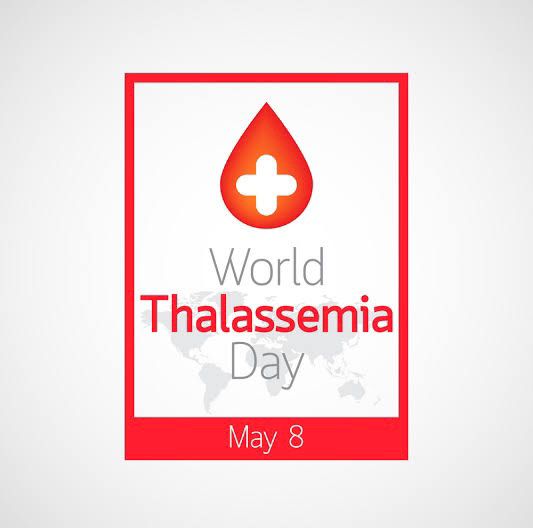
Every year on May 8th, #WorldThalassemiaDay is observed to raise awareness about thalassemia, a genetic blood disorder that affects millions of people worldwide, including Nigeria. This day is not just about acknowledging the challenges faced by individuals living with thalassemia but also about spreading knowledge to promote early detection, prevention, and better management strategies.
Thalassemia and sickle cell disease are both genetic blood disorders, often referred to as sister disorders due to their similarities and overlapping impact on individuals and families. While they share some commonalities, they also have distinct features that set them apart.
As we commemorate World Thalassemia Day today, it’s essential to shed light on what thalassemia is, delve into the statistics, prevalence, and compare its signs and symptoms with sickle cell disease.
What is Thalassemia?
Thalassemia is a group of genetic blood disorders characterized by reduced hemoglobin production, leading to anemia.
Thalassemia is caused by mutations in the genes responsible for hemoglobin production— the α- and β-globin gene clusters on chromosome 16 and chromosome 11, respectively. Hemoglobin is a protein in red blood cells that carries oxygen throughout the body. In thalassemia, the production of either the alpha or beta chains of hemoglobin is reduced or absent, leading to anemia and other complications.
Global and Nigerian Statistics:
- Globally, it’s estimated that over 300,000 babies are born with severe forms of thalassemia each year.
- In Nigeria, thalassemia is relatively rare compared to sickle cell disease, but its prevalence is gradually being recognized, especially in regions with a high frequency of carriers.
- According to recent data, about 2% of Nigerians are carriers of the beta-thalassemia gene, highlighting the importance of awareness and screening programs.
Prevalence
Thalassemia is more prevalent in countries around the Mediterranean region, South Asia, the Middle East, and parts of Africa. Some of the countries with higher prevalence rates include:
1. Cyprus: Thalassemia is particularly common in Cyprus, with a significant portion of the population carrying thalassemia gene mutations.
2. Italy: Certain regions in Italy, especially southern regions like Sicily and Sardinia, have higher rates of thalassemia carriers.
3. Greece: Thalassemia is relatively common in Greece, especially in areas with a history of consanguineous marriages.
4. Iran: Iran has a relatively high prevalence of thalassemia, particularly in regions where consanguineous marriages are common.
5. India and Pakistan: Thalassemia is prevalent in both India and Pakistan, especially in communities where consanguineous marriages occur frequently.
Comparison with Sickle Cell Disease:
While both thalassemia and sickle cell disease are genetic blood disorders, they differ in several aspects, including:
1. Genetic Basis: Thalassemia results from mutations in the genes that produce hemoglobin chains, whereas sickle cell disease is caused by a mutation in the beta-globin gene, leading to the production of abnormal hemoglobin (HbS).
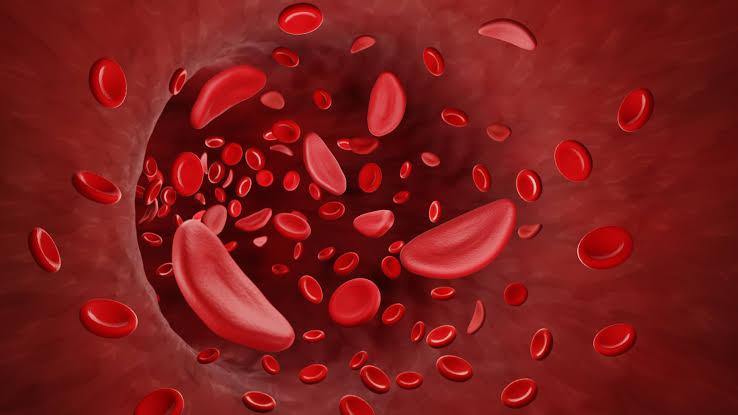
2. Hemoglobin Levels: Thalassemia leads to reduced levels of normal hemoglobin, causing anemia. In contrast, sickle cell disease results in the production of abnormal hemoglobin molecules that can cause red blood cells to become rigid and assume a sickle shape, leading to blockages in blood vessels and episodes of pain (sickle cell crises).
3. Symptoms: Common symptoms of thalassemia include fatigue, weakness, pale skin, and complications such as bone deformities and organ damage in severe cases. Sickle cell disease presents with similar symptoms of anemia but also includes characteristic pain crises, risk of infections, and organ damage due to blocked blood flow.
4. Treatment: Treatment for thalassemia may include blood transfusions, iron chelation therapy to manage iron overload, and in severe cases, bone marrow transplantation. Sickle cell disease management focuses on pain management, hydration, and preventing complications like infections and organ damage.
Genetic Representation
Regarding the representation of thalassemia, similar to sickle cell disease (HbSS), thalassemia has different types represented by various letters and combinations. For example:
- Beta-thalassemia major: Represented as β-thalassemia major or β-thalassemia homozygous (β0/β0).
- Beta-thalassemia minor: Represented as β-thalassemia trait or β-thalassemia heterozygous (β/β+).
- Alpha-thalassemia: Represented by α-thalassemia, with different severities indicated by the number of alpha globin gene deletions (e.g., α-thalassemia trait, α-thalassemia minor).

These representations help classify and understand the severity and type of thalassemia an individual may have, aiding in appropriate management and treatment decisions.
Conclusion:
World Thalassemia Day is an opportunity to raise awareness about this often overlooked blood disorder and emphasize the importance of genetic screening and counseling. As we commemorate World Thalassemia Day, let us unite in solidarity with the thalassemia community, advocate for inclusive healthcare policies, and work towards a future where every individual, regardless of their genetic makeup, can lead a healthy and fulfilling life.
Together, we can make a difference and create a world where thalassemia and other genetic disorders are not just understood but also effectively prevented and managed.