Some battles are loud.
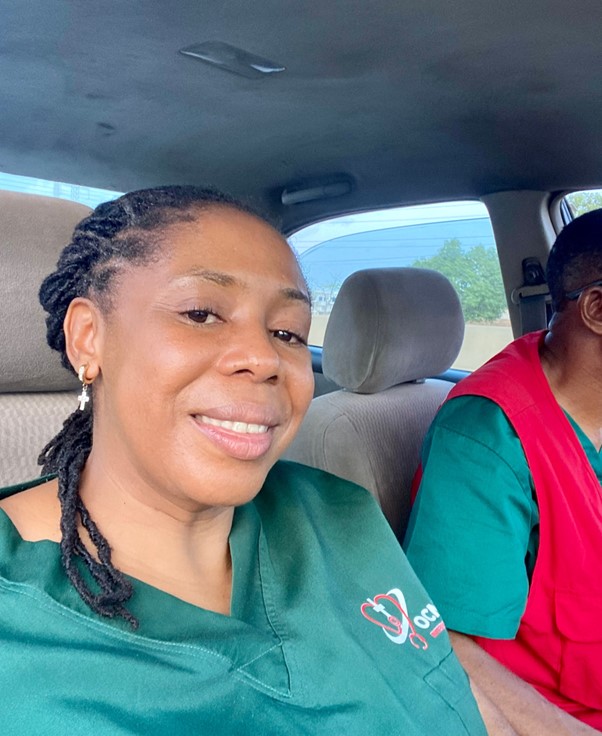
Others are fought quietly behind smiles, makeup, good clothes, laughter, or “I’m fine.”
One of the most common statements I have heard throughout my life is:
“But you don’t look it.”
At first, I didn’t know whether to laugh, explain, or remain silent.
What exactly is pain supposed to look like?
Should suffering always announce itself visibly?
Should warriors always wear uniforms?
Living with sickle cell taught me very early that some of the strongest people in the world are fighting battles nobody can see.
And sometimes, the most dangerous thing about invisible pain is that people underestimate it.
I have seen moments when someone living with severe pain was ignored simply because they “looked okay.”
I have seen people expected to keep functioning because they appeared strong yesterday.
I have heard statements like:
“You’ve been strong all these days.”
“You can’t be in pain now.”
“But you look healthy.”
What many people do not understand is this: Pain does not always ask for permission before it arrives.
A sickle cell crisis can escalate rapidly.
Someone may smile at 10 a.m. and be in unbearable pain by noon.
Invisible illnesses teach you how quickly people judge by appearances.
But the Bible reminds me of another unlikely warrior:
David.
When he stepped onto the battlefield against Goliath, he did not look like a soldier. No shining armor. No military title. No impressive weaponry.
Just a shepherd boy carrying stones and a sling.
“He picked up five smooth stones from a stream and put them into his shepherd’s bag…” — 1 Samuel 17:40
Yet heaven saw a warrior where people saw weakness.
That story comforts me deeply.
Because many warriors today are dressed like ordinary people:
The woman smiling through chronic pain.
The child battling sickle cell quietly in school.
The father showing up to work despite illness.
The mother caring for everyone while secretly exhausted.
Not all warriors wear uniforms.
Some wear courage.
Educational Nugget:
Sickle cell disease is often called an “invisible illness” because many people may appear healthy outwardly even while experiencing severe pain, fatigue, anemia, or internal complications. Believing patients when they report pain can significantly improve care and outcomes.
Pain2Gain Reflection:
Never measure someone’s battle by their appearance.
The strongest people are often carrying invisible wars.
Tomorrow, I’ll share one of the loneliest lessons pain taught me:
What happens when people love you… but still cannot understand what you’re feeling.